Biohazard Cleanup
Biohazard cleaning for homes, rentals, businesses and vehicles, with discreet crews and 24/7 emergency response.
Learn more →Texas · Lavaca County
Found a biohazard problem in Shiner, TX? Call (877) 812-4220 and describe what happened. You get biohazard removal, decontamination and odor control, and the steps and the cost range are explained once the details are known.
If anyone is in danger, call 911 first. For a suicide crisis, call or text 988.
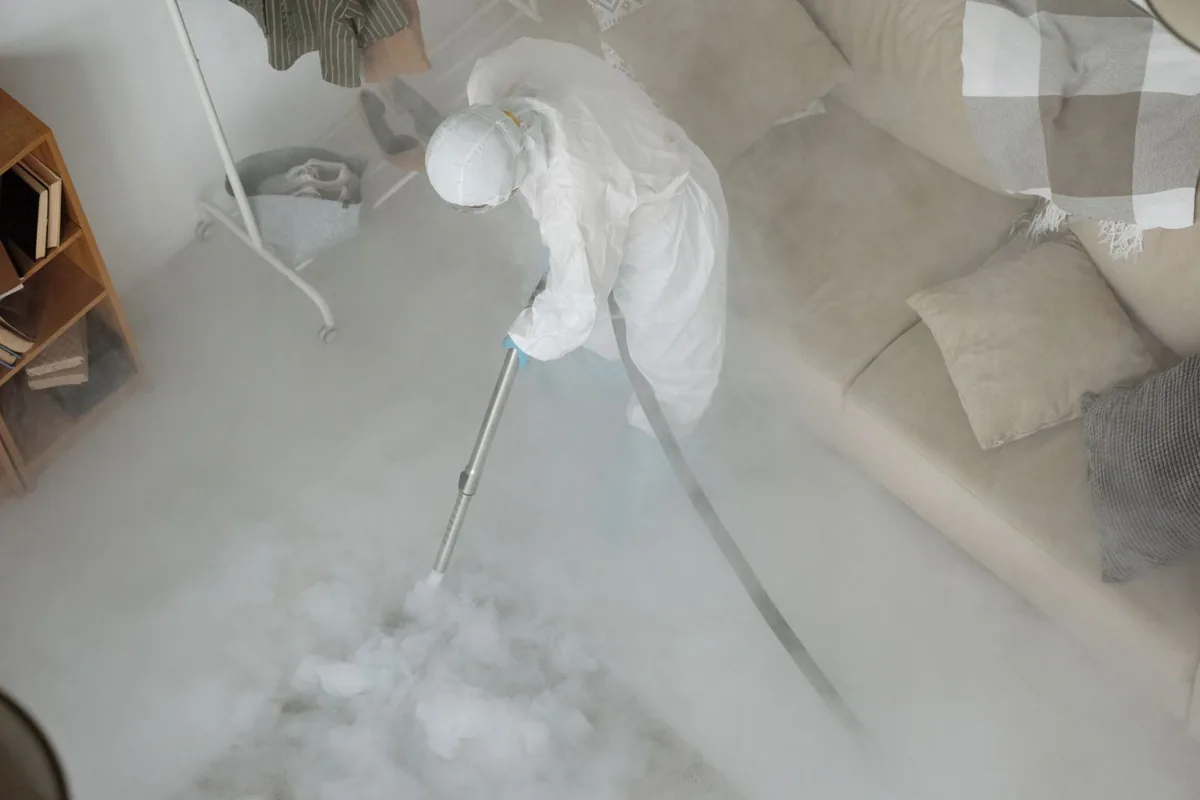
Biohazard cleanup is the professional removal, cleaning and disinfection of blood, bodily fluids, decomposition, sewage and other infectious materials after a death, crime, accident or illness. In Shiner, you can get this local biohazard cleaning for homes, apartments, rental properties, churches, businesses and vehicles.
Property owners, family members, landlords, property managers and insurance adjusters can all get help from Shiner Biohazard Cleanup Help. The cleanup is documented with photos and notes, and coverage reaches Shiner, Hallettsville and nearby towns across Lavaca County.
With roughly 2,163 residents, Shiner is a small community, and biohazard cleanup is available here the same way it is in a big city. The vacancy rate in Lavaca County is 19%, above the Texas average. Empty houses can sit unchecked, so sewage, animal waste, rodents and damage can build up unseen.
The rule on the wall of every serious crew is to treat all blood and bodily fluids as infectious. Under OSHA's Bloodborne Pathogens Standard (29 CFR 1910.1030), cleanup technicians use PPE and strict handling steps so germs stay out of the rest of the home and off the people doing the work.
Real decontamination reaches what the eye cannot see. Fluids travel under flooring and into baseboards, so crews check beneath and behind surfaces, remove affected materials and disinfect the exposed area before odor treatment begins.
These are the biohazard cleanup services you can get in Shiner and nearby parts of Lavaca County. Not sure which one applies? Call (877) 812-4220 and describe what happened.
Biohazard cleaning for homes, rentals, businesses and vehicles, with discreet crews and 24/7 emergency response.
Learn more →Crime scene cleaners handle contaminated carpet, drywall and debris, then check the work before handing the space back.
Learn more →Discreet trauma cleaning that covers waste disposal, odor removal and records for insurers.
Learn more →Respectful biohazard cleanup for homes and rentals after an unattended death.
Learn more →Compassionate cleaning after a loss, with keepsakes set aside and the room returned safe.
Learn more →Murder scene cleanup for homes, rentals, businesses and vehicles, handled privately with protective gear.
Learn more →Blood in cars, vans and rideshare vehicles cleaned from seats, mats and panels, then disinfected.
Learn more →Commercial feces cleanup and body fluid cleaning for restrooms, shops, schools and care sites.
Learn more →Human feces and urine cleanup in homes, rentals and workplaces, with disinfection and odor treatment.
Learn more →Odor control for landlords, buyers and families whose property still smells after a loss.
Learn more →Room-by-room help for families, landlords and residents dealing with a hoarded home.
Learn more →Hoarder house cleanout that clears every room and leaves the property ready for its next step.
Learn more →Respectful animal hoarder cleanup for owners, landlords and families, done step by step.
Learn more →Extreme cleaning for unsanitary homes, done with protective gear and without judgment.
Learn more →Category 3 cleanup with protective gear, sealed disposal and EPA-registered disinfectants.
Learn more →COVID-19 cleanup and coronavirus disinfection of high-touch surfaces, bedrooms, bathrooms and shared rooms.
Learn more →Detailed decontamination after blood, sewage, animal waste or infectious illness, using EPA-registered disinfectants.
Learn more →Medical waste removal: sharps, soaked dressings and clinical waste packed, sealed and hauled away.
Learn more →Found a needle? A cleanup team searches the area, removes every sharp and disinfects what it touched.
Learn more →Safe removal of sharps and drug use items, with disinfection and odor treatment afterward.
Learn more →Testing, removal, cleaning and retesting for properties where meth was made or heavily used.
Learn more →Fentanyl decontamination: powder and residue contained, collected and cleaned from homes, vehicles and workplaces.
Learn more →Toxic waste cleanup that identifies the substance, cleans affected surfaces and follows disposal rules.
Learn more →Cleanup that begins once responders clear the scene, with records for insurers, owners and inspectors.
Learn more →Careful tear gas removal that protects people and pets and documents the work for insurers.
Learn more →Droppings cleanup in kitchens, garages, ductwork and storage rooms with protective gear and sealed disposal.
Learn more →Containment, wet removal and disinfection of bat and bird guano in attics, barns and rooftops.
Learn more →Dead animal removal from walls, attics, crawl spaces and vents, with disinfection and odor treatment.
Learn more →Biohazard car cleaning for blood, vomit and body fluids, with disinfection and safe waste disposal.
Learn more →Blood and body fluids removed and disinfected after falls, cuts, crashes and workplace injuries.
Learn more →Biohazard cleaning for commercial and industrial sites, from restrooms and break rooms to warehouse floors.
Learn more →House cleanout and hauling for estates, landlords and out-of-town families after a loss.
Learn more →A cleanup specialist asks what happened, who is safe and whether police or an investigator have released the scene. The answers decide how the job is planned.
The crew takes photos and notes of the affected areas and the work done. Homeowners insurance companies, landlords and compensation programs often ask for these records.
Contaminated materials come out, surfaces are cleaned and disinfected, and the waste is packed for lawful disposal.
When the job is done, the family receives the paperwork they need for claims and a clear description of what was removed and treated.
Contaminated items are sealed, labeled and kept out of household trash, and the waste leaves under medical waste rules.
Blood, decomposition, sewage, sharps, hoarding, drug residue and infectious disease all fall under one call, with the right method for each.
Hoarded homes, neglected rentals and difficult situations are treated with dignity. The only goal is a safe, clean space again.
Cleanup technicians know families may be grieving. They keep conversations short, kind and free of judgment, and they treat belongings with care.
Biohazard cleanup in Shiner, TX typically costs $500 to $25,000, depending on the type of biohazard, the size of the affected area and how far fluids soaked into porous materials.
Most residential jobs cost $3,000 to $5,000 (Fixr). Two jobs that look alike can cost very different amounts. Hard flooring can be disinfected in place, while soaked carpet, padding and subfloor must be removed and replaced, which adds labor and waste disposal.
| Type of job | Typical range |
|---|---|
| Blood spill cleanup, small area | $500 - $2,500 |
| Crime scene cleanup, most homes | $1,500 - $7,500 |
| Unattended death cleanup | $2,000 - $7,000 |
| Suicide cleanup | $1,500 - $5,500 |
| Sewage cleanup, most homes | $2,000 - $10,000 |
| Hoarding cleanup, level 3 home | $2,000 - $5,000 |
| Meth lab cleanup, typical | $15,000 - $20,000 |
Estimates only, not a quote. Sources: Fixr, Yelp Costs, BioCleaners Directory, PushLeads, Dropcurb, Bob Vila and cleanup company cost guides. Call (877) 812-4220 to talk through the job.
After the Lavaca County Sheriff's Office or local police release a scene, blood, bodily fluids and fingerprint powder remain. Law enforcement does not clean; the property owner calls crime scene cleaners.
With a vacancy rate of 19% in Lavaca County, empty buildings can collect animal waste, drug paraphernalia and storm damage that nobody sees until later.
Falls, power tool injuries, farm and industrial accidents and car crashes can leave blood and tissue behind. Accident scene cleanup removes the trace so the space can be used again.
About 32% is the census figure for older adults living alone in Lavaca County. When a person dies alone, days may pass before anyone knows, and unattended death cleanup follows.
When a death goes unnoticed for days, decomposition fluids reach flooring and subfloor and the odor spreads. Death cleanup removes the affected materials and treats the odor at the source.
Attics, barns and sheds can hold droppings, guano and carcasses that carry disease. Careful removal and disinfection protect the people who go back in.
The word biohazard covers blood, tissue, decomposition, sharps, waste and some residues. Each carries different health risks, and each calls for its own cleaning and disposal approach.
Only what cannot be made safe. Porous items such as carpet, padding, mattresses and upholstered furniture that soaked up fluids are usually removed. Hard surfaces and many belongings can be cleaned and disinfected instead.
Yes. You can expect unmarked vehicles, quiet work and no discussion of the job with neighbors. Family members are not asked to see or handle anything.
Yes. Raw sewage is treated as Category 3 water because it can carry bacteria such as E. coli, viruses and parasites. Porous materials it touches usually must be removed, and the rest is cleaned and disinfected.
Usually it is better not to. The affected area is sealed off, odor and chemicals may be present, and the work is easier to do safely with people and pets elsewhere. The crew can say what is safe for your situation.
Cleanup can begin once the police, and a justice of the peace or medical examiner where one is involved, release the scene. Ask them directly when that happens. The cleanup team waits for that release before touching anything.
Ask whether the crew follows OSHA bloodborne pathogen rules, uses EPA-registered disinfectants, disposes of waste lawfully and can document the work for insurance. Compare how biohazard cleanup companies explain scope, cost range and privacy, and be cautious about anyone who pressures you to sign on the spot.
The Lavaca County Sheriff's Office or the local police decide when a scene in Lavaca County is released. Ask them directly. Cleanup begins after that release and not before.
The nearest emergency room is Yoakum Community Hospital in Yoakum, about 16 miles from Shiner. In any emergency, call 911 first. Cleanup waits until people are safe.
Biohazard cleaning is not limited to Shiner. Homes and businesses in Yoakum, Hallettsville, Hallettsville and other places around Lavaca County can get cleanup teams too. Call Shiner Biohazard Cleanup Help to ask.
No judgment and no pressure, just a clear plan for the property.
Call (877) 812-4220